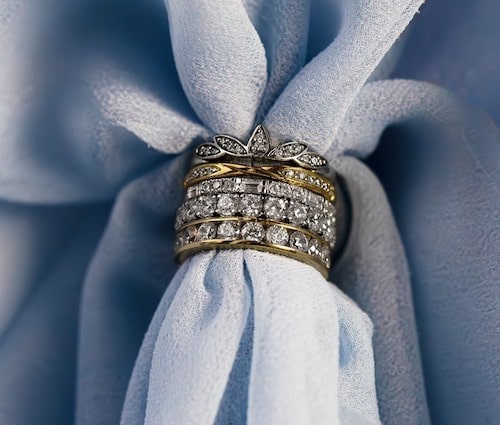
Diamonds as an investment

Diamonds are not typically purchased as a short‑term investment. Unlike gold, silver, or stocks, diamonds do not have a standardised market price. If you’re considering investing in diamond jewellery, it’s important to understand that diamonds are a long‑term investment and should not be approached with the expectation of quick financial gain.
Instead, treat diamonds as the luxury purchase they are. Focus on enjoyment and value retention rather than pure profit. Below, we share the key considerations every buyer should keep in mind.
Diamond investment: Do’s
If you’re buying diamond jewellery and want to protect your investment, follow these essential tips:
Focus on Natural Diamonds
Natural diamonds tend to hold their value better than lab‑grown diamonds because they are far rarer. Their scarcity contributes to stronger long‑term value retention.
Focus on the 4C’s
The 4 Cs determine the quality and value of a diamond, although some factors influence resale value more than others. Let’s look at this in more detail.
Cut
The cut has the biggest impact on a diamond’s value and beauty (and it’s not the same as shape). Cut refers to how well the stone has been proportioned and faceted.
-
Excellent cut: bright, sparkly, and visually striking
-
Poor cut: dull appearance and weaker resale appeal
A diamond with an excellent cut consistently performs better on the resale market.
Colour
For white diamonds, the purest colour grade is D. While grades D-F command a premium, diamonds graded G-H offer the best balance of beauty and value retention. Anything significantly lower may affect the resale price.
Clarity
Flawless diamonds are exceptionally rare and are priced accordingly. Very Slightly Included (VS) diamonds are often the best value choice, offering clarity that appears clean to the eye without the premium price tag.
Carat
For personal jewellery, choosing just under a “round number” (e.g. 0.95ct instead of 1.00ct) is better value, as these stones often look similar but cost less.
However, if future resale is a priority, round‑number carats (1.0ct, 1.5ct, 2ct) tend to retain value more strongly.
Remember: bigger isn’t always better. A smaller, well‑cut, high‑clarity diamond will often outperform a larger stone of poorer quality.
Make sure to get certification
Certification is essential for any diamond purchased with investment value in mind. The most recognised and trusted grading bodies are:
-
GIA (Gemological Institute of America): The global benchmark for diamond grading with the strictest standards and the certificate most investors prefer.
-
IGI (International Gemological Institute): A reputable global grading lab offering reliable certification, often at a slightly lower price point.
-
WGI (World Gemological Institute): More suitable for multi‑stone jewellery, such as eternity rings, rather than single‑stone investment pieces.
-
Shining Diamonds Certification: Prepared by external GIA‑qualified professionals at a more accessible price point.
Think of the long-term investment
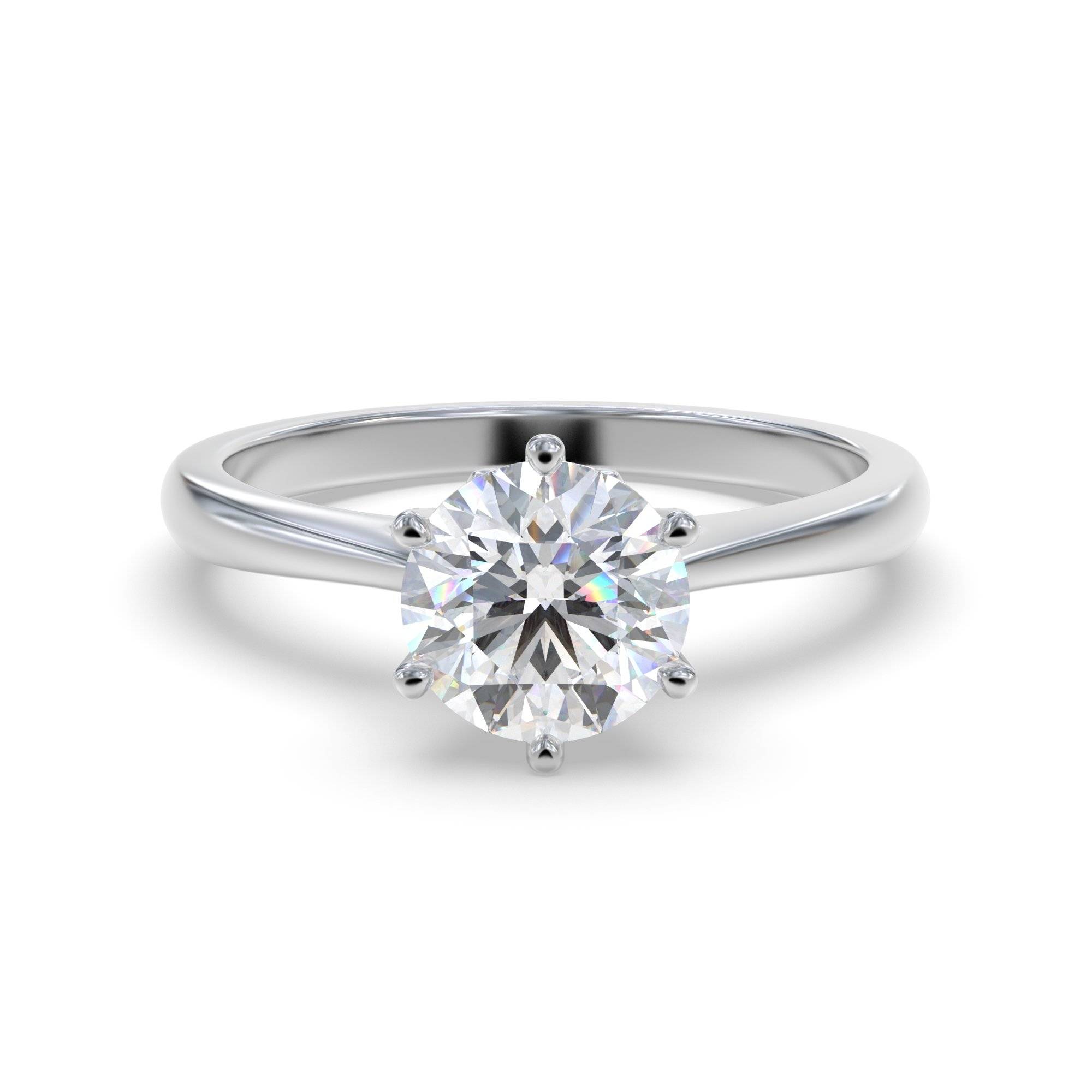
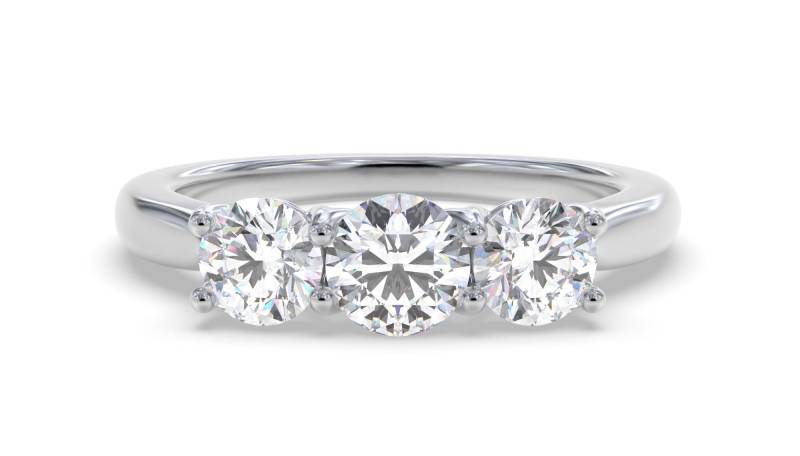
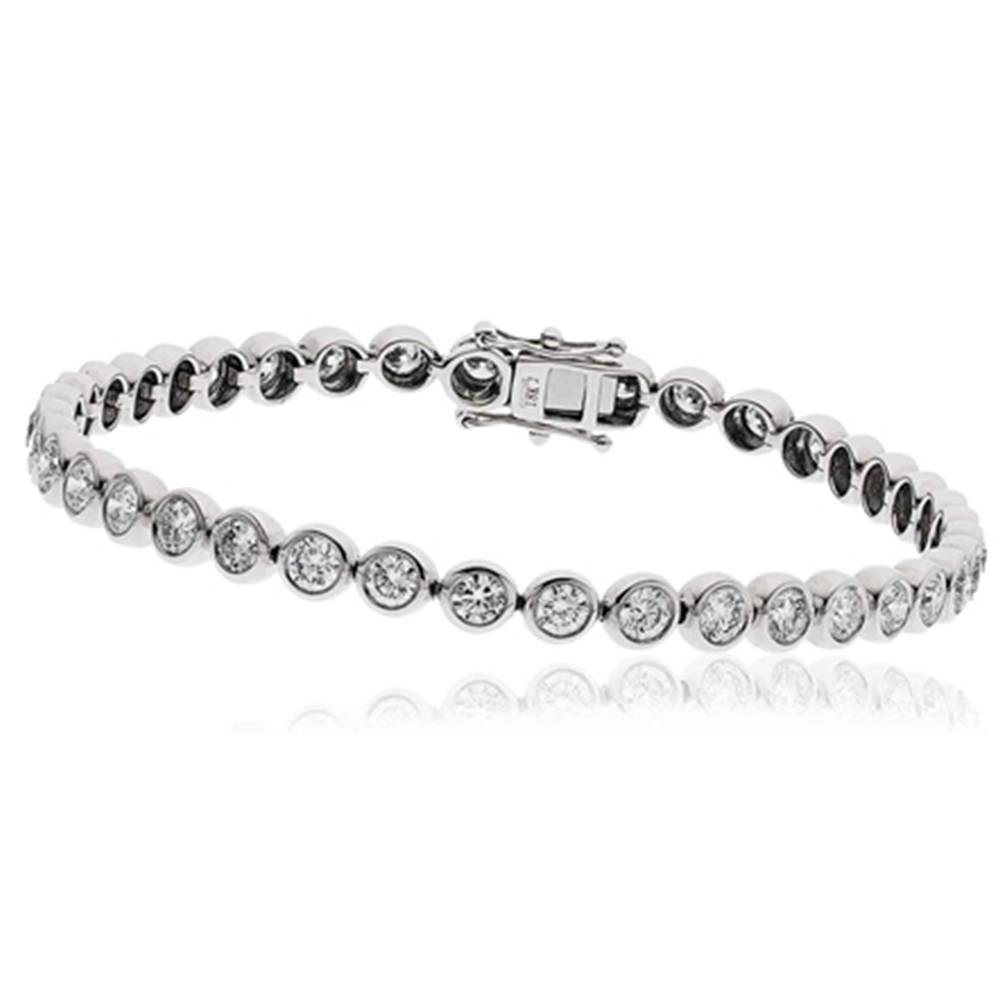
Diamonds retain value best when the design is timeless. Choose classic pieces over trend‑driven styles, such as:
Round Diamond Engagement Ring (SKU: SDRX3957)
SDMT03414 Traditional Round Diamond Trilogy Ring (SKU: SDMT03414)
Classic Single Row Diamond Bezel Set Tennis Bracelet (SKU: SDLMJXYB0733)
Diamond Investment: Don’ts
When buying a piece of diamond jewellery, it’s important to focus less on short-term investment and quick profits. You should instead ask the question, “Will this hold value while I enjoy wearing it?”. More important than anything is selecting a piece you really love.
Don’t pay extra for branded jewellery
Designer jewellery houses often charge more than twice the value of the raw gemstone and metal. Unless the piece is particularly iconic or rare, branded jewellery generally does not hold its value as well when resold.
Don’t choose lab grown as an investment
Lab‑grown diamonds are affordable and visually identical to natural diamonds, but they do not perform well as long‑term investments. Their value is affected by:
-
lack of natural rarity
-
increasing supply
-
significant price reductions in the lab‑grown market
Natural diamonds remain the stronger choice for future value retention.
Don’t expect an instant sale or instant profits
Diamonds are a slow‑burn investment. They can take time to appreciate in value, and finding the right buyer often requires patience.
Unlike gold or stocks, diamonds are not easily liquidated at short notice.
Choose Shining Diamonds
At Shining Diamonds, our knowledgeable team can help you select pieces that offer long‑term value while matching your taste and budget.
Simply book an appointment or visit us in one of our stores. We’ll be happy to help.